


Linear MCP Server
for AI Agents
Connect your AI agent to StackOne's Linear MCP server and give it 222 MCP tools out of the box. Auth, tool execution, and security all managed.
 StackOne







Coverage
222 Agent Actions
Agents can read, write, delete and run operations in Linear. Extend your agent's capabilities with custom actions.

Authentication
Agent Tool Authentication
Per-user OAuth in one call. Your Linear MCP server gets session-scoped tokens with zero credentials stored on your infra.
Agent Auth →
Security
Agent Protection
Every Linear tool response scanned for prompt injection in milliseconds, with 88.7% accuracy, all running on CPU.
Prompt Injection Defense →
Performance
Max Agent Context. Min Cost.
Free up to 96% of your agent's context window to enhance reasoning and reduce cost, on every Linear call.
Tools Discovery →What is the Linear MCP Server?
A Linear MCP server lets AI agents read and write Linear data through the Model Context Protocol, Anthropic's open standard for connecting LLMs to external tools. StackOne's Linear MCP server ships with 222 pre-built actions, fully extensible via the Connector Builder, plus managed authentication, prompt injection defense, observability, and agent execution runtime. Connect it from MCP clients like Claude Desktop, Claude Code, Cursor, Goose, and VS Code, or from agent frameworks like OpenAI Agents SDK, LangChain, and Vercel AI SDK.
All Linear MCP Tools
Every StackOne action for Linear, ready for your agent. Read, write, delete and run operations, scoped to exactly what you need.
Agent Sessions
- List Agent Sessions
Retrieve agent sessions with cursor pagination
- Get Agent Session
Retrieve a specific agent session by ID
Attachments
- Create Attachment
Link an external resource to an issue as an attachment
- Get Attachment
Retrieve an issue attachment by ID. Use format=url to get its title and download URL without fetching the file content. Linear upload URLs are signed for five minutes; call again to refresh. External URLs are returned unchanged. Files embedded in comments have no issue attachment ID; use the URLs in list_comments attachments instead. Download and process documents with your own file tools.
- Update Attachment
Edit an existing attachment's title, subtitle, icon, or metadata (does NOT remove it — use delete_attachment to remove/detach an attachment)
- Delete Attachment
Remove (delete) an attachment from its issue by attachment ID — this is the action for a 'remove/delete this attachment' request
- Delete Attachment
Remove an attachment link from an issue's Resources. This does not delete the stored file. Use the attachment ID from get_issue's attachments array, not a UUID from the upload URL.
Comments
- Create Comment
Create a new comment on an issue
- List Comments
Retrieve comments with optional filtering and cursor pagination
- Get Comment
Retrieve a specific comment by ID
- List Comments
List comments on a Linear issue, project, initiative, document, project milestone, or project/initiative status update. Provide exactly one of `issueId`, `projectId`, `initiativeId`, `documentId`, `milestoneId`, or `statusUpdateId`. `statusUpdateType` applies only to `statusUpdateId`; omit it for every other parent. For issues, projects, and initiatives this returns both top-level discussion threads and inline description comments. Inline (anchored) comments carry a non-null `quotedText` set to the snippet of description text they reference. Returned comments include `author` and nullable `onBehalfOf`; when set, `onBehalfOf` identifies the user the agent author acted for. Files uploaded in comment bodies are returned in `attachments` with titles and download URLs, not issue attachment IDs. Signed upload URLs expire after five minutes; call list_comments again to refresh them. Download documents using these URLs and process them with your own file tools.
- Update Comment
Update an existing comment's body
- Delete Comment
Delete a comment by ID
- Delete Comment
Delete a Linear comment. Inline description comments (those with non-null `quotedText`) anchor a mark in the editor, so their root cannot be deleted — delete the replies individually or resolve the thread instead.
Customers
- Create Customer
Create a new customer with name, domains, and optional revenue, size, status, and tier
- List Customers
Retrieve customers with optional filtering and cursor pagination
- Get Customer
Retrieve a specific customer by ID
- List Customers
List customers in the user's Linear workspace
- Update Customer
Update an existing customer's name, domains, revenue, size, status, or tier
- Delete Customer
Delete a customer by ID
- Delete Customer
Delete a customer in Linear
Customer Needs
- Create Customer Need
Create a new customer need attached to an issue, project, or comment
- List Customer Needs
Retrieve customer needs with optional filtering and cursor pagination
- Get Customer Need
Retrieve the full details of a specific customer need by its ID (call this after list_customer_needs to return the requested details)
- List Customer Needs
List customer needs (customer requests) for an issue, project, or initiative. Provide exactly one of `issue`, `project`, or `initiative`. Project results include requests linked to the project's issues; initiative results include requests on projects in the initiative or any of its sub-initiatives, and on their issues. Returns requests on closed work too; each need includes its issue's workflow state and its project's status so callers can filter. Paginated; pass `cursor` from the previous page to fetch the next.
- Update Customer Need
Update a customer need's body, priority, customer, or the issue/project it is linked to
- Delete Customer Need
Delete a customer need by ID
- Delete Customer Need
Archive a customer need (request) in Linear
Customer Status
- Create Customer Status
Create a new customer status with a color and a name or displayName, plus optional description and position
- Get Customer Status
Retrieve a specific customer status by ID
- Update Customer Status
Update an existing customer status's name, description, color, or position
- Delete Customer Status
Delete a customer status by ID
Customer Tiers
- Create Customer Tier
Create a new customer tier with name and optional description
- List Customer Tiers
Retrieve customer tiers with cursor pagination
- Get Customer Tier
Retrieve a specific customer tier by its ID (resolve a tier name to its ID via list_customer_tiers first)
- Update Customer Tier
Update an existing customer tier's display name, description, color, or position
- Delete Customer Tier
Delete a customer tier by ID
Custom Views
- Create Custom View
Create a new saved custom view with filters
- List Custom Views
Find saved issue, project, and initiative views accessible to the user, including personal, workspace, and team views. Excludes archived views and views scoped to a project or initiative. Returns view metadata, not the records matching its filters.
- Update Custom View
Update an existing custom view's name, filters, or sharing settings
- Delete Custom View
Delete a custom view by ID
Cycles
- Create Cycle
Create a new cycle for a team
- List Cycles
Retrieve cycles with optional filtering and cursor pagination
- Get Cycle
Retrieve a specific cycle by ID
- List Cycles
List a team's cycles with their IDs, numbers, dates, and issue and scope histories
- Update Cycle
Update an existing cycle's name, description, or dates
Documents
- Create Document
Create a new document with title, content, and optional project or initiative association
- List Documents
Retrieve documents with optional filtering and cursor pagination
- Get Document
Retrieve a specific document by ID
- Get Document
Retrieve a Linear document by ID or slug
- List Documents
List documents in the user's Linear workspace
- Update Document
Update an existing document's title, content, or associations (does NOT trash a document — use delete_document to move a document to trash)
- Delete Document
Move a document to trash by ID — this is the action for a 'move to trash', 'trash this document', or 'delete document' request
External Users
- List External Users
Retrieve external users for the organization with cursor pagination
- Get External User
Retrieve a specific external user by ID
Favorites
- Create Favorite
Add an item (issue, project, cycle, custom view, document, label, or user) to the user's favorites
- List Favorites
Retrieve the authenticated user's favorites, including the subject each one points to
- Delete Favorite
Remove an item from favorites by favorite ID
Initiatives
- Create Initiative
Create a new initiative to group projects
- List Initiatives
Retrieve initiatives with optional filtering and cursor pagination
- Get Initiative
Retrieve a specific initiative by ID
- List Initiatives
List initiatives in the user's Linear workspace
- Get Initiative
Retrieve detailed information about a specific initiative in Linear
- Update Initiative
Update an existing initiative's name, description, dates, or other properties
- Delete Initiative
Delete an initiative by ID
Initiative To Project Links
- Create Initiative To Project Link
Link an initiative to a project
- Delete Initiative To Project Link
Remove the link between an initiative and a project
Issues
- Create Issue
Create a new issue in Linear with title, description, team, and optional fields
- List Issues
Retrieve issues with optional filtering by team, project, assignee, or status and cursor pagination
- Get Issue
Retrieve a specific issue by ID or identifier
- Search Issues
Search issues by text term with optional filtering and cursor pagination
- Get Issue
Retrieve detailed information about an issue by ID, including attachments, git branch name, and active Triage Intelligence suggestions when the issue is in triage. A nonempty fields selection overrides the include options; request optional fields directly in fields.
- List Issues
List issues in the user's Linear workspace, including active Triage Intelligence suggestions for issues in triage. For issues assigned to me, use "me" as the assignee. For issues created by me, use "me" as the creator. Use "null" for no assignee.
- Update Issue
Update an existing issue's title, description, assignee, priority, state, or other fields
- Batch Create Issues
Create multiple issues at once
- Batch Update Issues
Update multiple issues at once by their UUIDs
- Delete Issue
Delete an issue by ID
Issue Relations
- Create Issue Relation
Create a relationship between two issues
- Delete Issue Relation
Remove a relationship between two issues
Issue Labels
- Create Issue Label
Create a new issue label for a team
- List Issue Labels
Retrieve issue labels with optional filtering and cursor pagination
- Get Issue Label
Retrieve a specific issue label by ID
- List Issue Labels
List available issue labels in a Linear workspace or team. A retired label carries `retiredAt` and cannot be applied to new issues.
- Update Issue Label
Update an existing issue label's name, description, or color
- Delete Issue Label
Delete an issue label by ID
Agent Skills
- List Agent Skills
List Linear Agent skills available to the authenticated user.
- Get Agent Skill
Retrieve a Linear Agent skill by ID, including its full markdown instructions.
Projects
- Create Project
Create a new project with name, description, and optional team associations
- List Projects
List projects in the user's Linear workspace
- Get Project
Retrieve details of a specific project in Linear
- List Projects
Retrieve projects in the workspace with optional filtering and cursor pagination
- Get Project
Retrieve a specific project by ID with full details
- Update Project
Update an existing project's details
- Delete Project
Delete a project by ID
Project Labels
- Create Project Label
Create a new project label
- List Project Labels
List available project labels in a Linear workspace or team. Returns workspace labels by default; pass `team` to also include that team's labels. Pass `includeGroups` to include groups, which return `groupType`; child labels return their `parent` and `parentGroupType`. A team-scoped label carries a `team` field; different teams can hold same-named labels, so check it before acting on an ID. A retired label carries `retiredAt` and cannot be applied to new projects.
- List Project Labels
Retrieve project labels with optional filtering and cursor pagination
- Get Project Label
Retrieve a specific project label by ID
- Update Project Label
Update an existing project label's name, description, or color
- Delete Project Label
Delete a project label by ID
Releases
- Create Release
Create a new release in a pipeline
- List Releases
List releases in the workspace, with optional filtering by pipeline, stage, version, and text.
- Get Release
Retrieve details of a release by ID or slug.
- Update Release
Update an existing release's name, version, description, or other properties
- Delete Release
Delete a release by ID
Release Notes
- List Release Notes
List release notes in the workspace, optionally filtered by pipeline or covered release.
- Get Release Notes
Retrieve release notes by ID or slug, including markdown content.
Project Milestones
- Create Project Milestone
Create a new milestone for a project
- List Project Milestones
List all milestones in a Linear project
- List Project Milestones
Retrieve project milestones with optional filtering and cursor pagination
- Get Project Milestone
Retrieve a specific project milestone by ID
- Update Project Milestone
Update an existing project milestone's name, description, or target date
- Delete Project Milestone
Delete a project milestone by ID
Teams
- Create Team
Create a new team with name and optional settings
- List Teams
List teams in the user's Linear workspace, including their parent IDs and hierarchy names
- Get Team
Retrieve details of a specific Linear team, including its parent ID and hierarchy name. Use list_teams with parentTeam or ancestorTeam to find its sub-teams
- List Teams
Retrieve teams in the workspace with optional filtering and cursor pagination
- Get Team
Retrieve a specific team by ID
- Update Team
Update an existing team's name, description, icon, color, or other properties
- Delete Team
Delete a team by ID
Templates
- Create Template
Create a new issue or project template
- List Templates
List the Linear issue, project, and document templates available to the authenticated user. Use this to find the template a team expects, then call get_template for its content.
- Get Template
Retrieve a Linear template by ID or name: the content it pre-fills, the ids it applies, its sub-issues, and its form fields. Pass the template to save_issue or save_project to apply it. References come back as ids, so read a name with the matching tool when you need one. A form template collects its answers through a form, so applying one here creates an issue with the form unanswered.
- Update Template
Update an existing template's name, description, data, or other properties
- Delete Template
Delete a template by ID
Users
- List Users
List workspace users with their IDs, names, emails, and admin, guest, and active flags. Use get_user for team memberships.
- Get User
Retrieve one user's profile, email, admin, guest, and active flags, plus team IDs, names, and keys. Use list_users to find matching users.
- List Users
Retrieve users in the workspace with optional filtering and cursor pagination, use the filter input to search.
- Get User
Retrieve a specific user by ID
- Update User
Update your own Linear user profile, status, or display settings
Diffs
- Get Diff
Exact lookup for a Linear diff. Use with review URLs, GitHub PR URLs, Linear full identifiers, UUIDs, or slugs.
- List Diffs
List Linear diff pull requests visible to the authenticated user
- Update Diff
Update a Linear diff's title, description, reviewer requests, issue links, or status. Provide at least one update. Combined updates can partially succeed; inspect the result before retrying. Use merge_diff to merge and submit_diff_review to approve or request changes.
Status Updates
- Get Status Updates
List or get project/initiative status updates with their body, health, author, and parent project or initiative. Pass id to get one update and ignore list filters; omit id to list.
- Delete Status Update
Delete (archive) a project or initiative status update.
Project Status
- Create Project Status
Create a new project status with name, type, and optional description, color, and position
- Get Project Status
Retrieve a specific project status by ID
- Update Project Status
Update an existing project status's name, description, type, color, or position
Reactions
- Create Reaction
Add an emoji reaction to a comment, issue, or project update
- Delete Reaction
Remove an emoji reaction by reaction ID
Team Memberships
- Create Team Membership
Add a user to a team, with optional owner role assignment
- List Team Memberships
List the memberships of a team, returning each membership's ID alongside its user — needed to remove a user from a team
- Delete Team Membership
Remove a user from a team
Webhooks
- Create Webhook
Create a new webhook to receive HTTP notifications for data updates
- List Webhooks
Retrieve webhooks in the organization with cursor pagination
- Get Webhook
Retrieve a specific webhook by ID
- Update Webhook
Update an existing webhook's URL, enabled status, or resource types
- Delete Webhook
Delete a webhook by ID
Workflow States
- Create Workflow State
Create a new workflow state for a team with a specified type, name, and color
- List Workflow States
Retrieve workflow states with optional filtering and cursor pagination
- Get Workflow State
Retrieve a specific workflow state by ID
- Update Workflow State
Update an existing workflow state's name, color, description, or position
Other (70)
- Create Organization Invite
Invite a new member to the organization by email (admin only)
- Create Initiative Update
Create a status update for an initiative
- Create Attachment From Upload
Link an already-uploaded Linear assetUrl to an existing issue as an attachment. Uploaded files appear in the issue's Resources; they are not native Linear Documents. To embed a file in Markdown without adding it to an issue's Resources, use prepare_file_upload instead. For written findings or proposals, prefer updating the issue description or using save_document with issue to create an editable Linear Document, unless the user requests a file. The upload workflow creates the Resources link; do not also add the upload URL to save_issue's links field. To revise a file, upload a replacement. To remove its Resources link, use delete_attachment with the attachment ID returned by get_issue. These tools do not edit uploaded file contents, permanently delete stored files, or inspect or change per-file permissions. Explain these limits when relevant. Use this only after: 1. prepare_attachment_upload returned an assetUrl and uploadRequest. 2. The client successfully PUT raw file bytes to uploadRequest.url. This tool does not upload file content. It only creates the Linear attachment row. If the direct upload failed or the signed URL expired, rerun prepare_attachment_upload and upload again.
- Create Attachment (deprecated)
Deprecated fallback for tiny files only. Accepts base64 file content, verifies SHA-256 checksum, and uploads it through the MCP worker. Prefer `prepare_attachment_upload` plus direct PUT plus `create_attachment_from_upload`. Uploaded files appear in the issue's Resources; they are not native Linear Documents. To embed a file in Markdown without adding it to an issue's Resources, use prepare_file_upload instead. For written findings or proposals, prefer updating the issue description or using save_document with issue to create an editable Linear Document, unless the user requests a file. The upload workflow creates the Resources link; do not also add the upload URL to save_issue's links field. To revise a file, upload a replacement. To remove its Resources link, use delete_attachment with the attachment ID returned by get_issue. These tools do not edit uploaded file contents, permanently delete stored files, or inspect or change per-file permissions. Explain these limits when relevant. CRITICAL: Do not print base64Content and then copy it into this tool call. Opaque base64 copied through model-visible text is easy to corrupt. Generate base64Content mechanically from the source bytes and pass it through a programmatic argument construction path whenever available. Before calling this tool, verify the values are consistent: Unix-like shells: file="/path/to/file" base64Content=$(base64 < "$file" | tr -d '\n\r') sha256=$(shasum -a 256 "$file" | awk '{print $1}') decodedSha256=$(printf '%s' "$base64Content" | base64 -d | shasum -a 256 | awk '{print $1}') size=$(wc -c < "$file" | tr -d ' ') # optional; stat can also get file byte size decodedSize=$(printf '%s' "$base64Content" | base64 -d | wc -c | tr -d ' ') PowerShell: $file = 'C:\path\to\file' $bytes = [IO.File]::ReadAllBytes($file) $base64Content = [Convert]::ToBase64String($bytes) $sha256 = (Get-FileHash -Algorithm SHA256 -Path $file).Hash.ToLower() $size = $bytes.Length # optional $decoded = [Convert]::FromBase64String($base64Content) $decodedStream = [IO.MemoryStream]::new($decoded) $decodedSha256 = (Get-FileHash -Algorithm SHA256 -InputStream $decodedStream).Hash.ToLower() $decodedSize = $decoded.Length decodedSha256 must equal sha256. If you pass size, decodedSize must equal size. Pass `sha256`. Passing `size` is optional, but recommended for clearer mismatch errors.
- Create Issue Label (deprecated)
Create a new Linear issue label. Deprecated: use `save_issue_label`, which can also update labels.
- Create Initiative Label (deprecated)
Create a new Linear initiative label. Deprecated: use `save_initiative_label`, which can also update labels.
- Create Notification Subscription
Subscribe to notifications for a team, project, cycle, label, custom view, initiative, or user
- Create Project Update
Create a status update for a project
- Get Unified Credentials
Get the current Linear connection's unified credentials and identity.
- Get Application Info
Get basic information for an application by client ID
- List Customer Statuses
Retrieve customer statuses with cursor pagination
- List Issue Statuses
List available issue statuses in a Linear team
- Get Issue Status
Retrieve detailed information about an issue status in Linear by name or ID
- List Release Pipelines
List release pipelines in the workspace.
- Get Milestone
Retrieve details of a specific milestone by ID or name
- Get Notifications
Get a page of notifications from the authenticated user's Linear inbox.
- Get Triage Responsibility
Retrieve who is responsible for a team's triage: the person on triage now, what happens when an issue enters triage, and the upcoming shifts of the team's triage rotation. Pass `user` to get only that person's shifts, for example to find when their next triage duty starts, even when it is weeks away.
- Get Workspace
Retrieve the connected workspace's ID, name, and URL to confirm which workspace you are using
- Search Documentation
Search Linear's product documentation for feature and usage guidance. Returns up to five results with titles, URLs, and content snippets per page.
- Get Diff Threads
Exact lookup for diff threads and the authenticated user's drafts. Use with review URLs, GitHub PR URLs, Linear full identifiers, UUIDs, or slugs.
- List Initiative Labels
List available initiative labels in the Linear workspace. Pass `includeGroups` to include groups, which return `groupType`; child labels return their `parent` and `parentGroupType`. A retired label carries `retiredAt` and cannot be applied to new initiatives.
- List Project Statuses
Retrieve project statuses with cursor pagination
- Get Viewer
Retrieve the currently authenticated user (viewer)
- Update Organization
Update organization settings (admin only)
- Delete Diff Comment
Delete a comment or persisted draft from a Linear diff
- File Upload
Step 1 of a two-step upload: request a signed upload URL for a file. This action does NOT transfer any file bytes — it only returns a pre-signed URL that the caller must then PUT the file contents to. Use it to prepare an image/video/attachment for use as a Linear asset.
- Suspend User
Suspend a user account (admin only)
- Resolve Comment
Mark a comment thread as resolved
- Unresolve Comment
Reopen a resolved comment thread
- Upsert Customer
Create or update a customer by matching on id or externalId, useful for idempotent sync workflows
- Archive Cycle
Archive a cycle by ID
- Archive Initiative
Archive an initiative by ID
- Issue Filter Suggestion
Suggests filters for an issue view based on a text prompt
- Archive Issue
Archive an issue by ID
- Unarchive Issue
Restore an archived issue by ID
- Prepare Attachment Upload
Prepare a direct Linear file upload for an existing issue. Uploaded files appear in the issue's Resources; they are not native Linear Documents. To embed a file in Markdown without adding it to an issue's Resources, use prepare_file_upload instead. For written findings or proposals, prefer updating the issue description or using save_document with issue to create an editable Linear Document, unless the user requests a file. The upload workflow creates the Resources link; do not also add the upload URL to save_issue's links field. To revise a file, upload a replacement. To remove its Resources link, use delete_attachment with the attachment ID returned by get_issue. These tools do not edit uploaded file contents, permanently delete stored files, or inspect or change per-file permissions. Explain these limits when relevant. Workflow: 1. Call this tool with issue, filename, contentType, and size. 2. Upload raw bytes with PUT to uploadRequest.url outside MCP. 3. All headers in uploadRequest.headers are part of the signed request, so send them verbatim. 4. After PUT succeeds, call create_attachment_from_upload with assetUrl to link it to the issue. Do not base64-encode or transform the file. Use curl --data-binary @path or fetch(url, { method: 'PUT', body: blob }). Omitting or modifying any signed header, including casing, will return HTTP 403. The signed URL must be used within 60 seconds or it will expire. Upload sequencing: Prepare, PUT, and finalize one file before calling this tool for another file. Do not batch multiple prepare_attachment_upload calls before starting the PUTs because earlier signed URLs can expire while later files are prepared. Example: curl -X PUT --data-binary @file.png \ -H "content-type: image/png" \ -H "x-goog-content-length-range: N,N" \ -H "cache-control: public, max-age=31536000" \ -H 'Content-Disposition: attachment; filename="file.png"' \ "<uploadRequest.url>"
- Prepare File Upload
Prepare a direct Linear file upload to embed an image or file in a Markdown field. The file is not added to any issue's Resources. To attach a file to an issue's Resources, use prepare_attachment_upload. Workflow: 1. Call this tool with filename, contentType, and size. 2. Upload raw bytes with PUT to uploadRequest.url outside MCP. 3. All headers in uploadRequest.headers are part of the signed request, so send them verbatim. 4. After PUT succeeds, put markdown (or assetUrl) in the body of save_diff_comment, update_diff, submit_diff_review, save_comment, save_document, save_project, or another Markdown field. For submit_diff_evidence, use assetUrl as an attachment url instead. Do not base64-encode or transform the file. Use curl --data-binary @path or fetch(url, { method: 'PUT', body: blob }). Omitting or modifying any signed header, including casing, will return HTTP 403. The signed URL must be used within 60 seconds or it will expire. Upload sequencing: Prepare and PUT one file before calling this tool for another file. Do not batch multiple prepare_file_upload calls before starting the PUTs because earlier signed URLs can expire while later files are prepared. Example: curl -X PUT --data-binary @file.png \ -H "content-type: image/png" \ -H "x-goog-content-length-range: N,N" \ -H "cache-control: public, max-age=31536000" \ -H 'Content-Disposition: attachment; filename="file.png"' \ "<uploadRequest.url>"
- Save Comment
Create or update a comment on a Linear issue, project, initiative, document, project milestone, or project/initiative status update. If `id` is provided, updates the existing comment; otherwise creates a new one. To start a new thread, pass `body` and exactly one of `issueId`, `projectId`, `initiativeId`, `documentId`, `milestoneId`, or `statusUpdateId` (`statusUpdateType` applies only to `statusUpdateId`; omit it for every other parent) — comments on issues/projects/initiatives become top-level discussion threads; comments on documents/milestones become description comments. A status update holds a single thread, so a comment on an update that already has one is added to it as a reply. To reply to an existing thread, pass `parentId` and `body`; the reply inherits the parent's thread type, so no entity reference is needed. Parent reference fields are ignored when `id` or `parentId` is provided (`statusUpdateType` is rejected instead).
- Save Document
Create or update a Linear document. If `id` is provided, edits the existing document; otherwise creates a new one. When creating, `title` is required and exactly one parent (`project`, `issue`, `initiative`, `cycle`, or `team`) must be specified. On update, passing a parent reparents the document. To change parts of the content without resending all of it, pass `patch` instead of `content`.
- Extract Images
Extract and fetch images from markdown content. Use this to view screenshots, diagrams, or other images embedded in Linear issues, comments, or documents. Pass the markdown content (e.g., issue description) and receive the images as viewable data.
- Save Issue
Create or update a Linear issue. If `id` is provided, updates the existing issue; otherwise creates a new one. When creating, `team` is required, and `title` is required unless `template` is set. Note: use `assignee` (not `assigneeId`) to set the assignee — it accepts a user ID, name, email, or "me".
- Save Issue Label
Create or update a Linear issue label. If `id` is provided, updates the existing label; otherwise creates a new one. When creating, `name` is required.
- Retire Issue Label
Retire a Linear issue label so it cannot be applied to new issues. The label stays visible on issues that already have it. Retiring a label group also retires its child labels. Undo with `restore_issue_label`.
- Restore Issue Label
Restore a retired Linear issue label, making it available for use on issues again. Restoring a label group also restores every child label, including any that were retired separately.
- Save Project
Create or update a Linear project. If `id` is provided, updates the existing project; otherwise creates a new one. When creating, `name` and at least one team (via `addTeams` or `setTeams`) are required. Pass `template` to create the project from a project template. To change parts of the description without resending all of it, pass `patch` instead of `description`. `state` resolves against the project statuses of the lead team, so pass `leadTeam` when creating a multi-team project whose teams use different statuses.
- Retire Project Label
Retire a Linear project label so it cannot be applied to new projects. The label stays visible on projects that already have it. Retiring a label group also retires its child labels. Undo with `restore_project_label`.
- Restore Project Label
Restore a retired Linear project label, making it available for use on projects again. Restoring a label group also restores every child label, including any that were retired separately.
- Save Project Label
Create or update a Linear project label. If `id` is provided, updates the existing label; otherwise creates a new one. When creating, `name` is required.
- Save Release
Create or update a release. If `id` is provided, updates the existing release; otherwise creates a new one. When creating, `name` and `pipeline` are required. Release status is modeled as the release pipeline stage.
- Save Release Notes
Create or update release notes. If `id` is provided, updates the existing release notes; otherwise creates a new one. When creating, `pipeline` and either `releases` or a release range are required. To change parts of the content without resending all of it, pass `patch` instead of `content`.
- Share Issue
Share an issue with a workspace user who cannot otherwise access it. Use this tool only when the user explicitly asks to share the issue.
- Unshare Issue
Remove a workspace user's shared access to an issue. Use this tool only when the user explicitly asks to stop sharing the issue.
- Save Milestone
Create or update a milestone in a Linear project. If `id` is provided, updates the existing milestone; otherwise creates a new one. When creating, `name` is required.
- Mark Notification
Mark a Linear inbox notification as read or unread, or snooze or unsnooze it.
- Save Diff Comment
Create, reply to, or edit a comment or persisted draft on a Linear diff. Set draft to true to save without submitting. Provide draftId to edit or submit a persisted draft, and commentId only to edit a submitted comment. Submitting an inline draft reuses its saved anchor; submitting a reply draft requires parentId again.
- Resolve Diff Thread
Resolve or reopen a top-level comment thread on a Linear diff
- Submit Diff Review
Approve a Linear diff, request changes, or submit a review comment
- Merge Diff
Merge a Linear diff or add it to the repository's merge queue
- Who Am I
Retrieve the authenticated user, the connected workspace, and how this connection reaches Linear
- Save Customer
Create or update a Linear customer. If `id` is provided, updates the existing customer; otherwise creates a new one. When creating, `name` is required.
- Save Customer Need
Create or update a customer need (request) in Linear. If `id` is provided, updates the existing need; otherwise creates a new one. When creating, `body` is required.
- Save Initiative
Create or update a Linear initiative. If `id` is provided, updates the existing initiative; otherwise creates a new one. When creating, `name` is required. To change parts of the description without resending all of it, pass `patch` instead of `description`.
- Save Initiative Label
Create or update a Linear initiative label. If `id` is provided, updates the existing label; otherwise creates a new one. When creating, `name` is required.
- Retire Initiative Label
Retire a Linear initiative label so it cannot be applied to new initiatives. The label stays visible on initiatives that already have it. Retiring a label group also retires its child labels. Undo with `restore_initiative_label`.
- Restore Initiative Label
Restore a retired Linear initiative label, making it available for use on initiatives again. Restoring a label group also restores every child label, including any that were retired separately.
- Save Status Update
Create or update a project/initiative status update and return the saved update. To create, omit id and provide body plus project or initiative matching type. To update, provide id; project and initiative are ignored.
- Archive Project
Archive a project by ID
- Archive Project Status
Archive a project status by ID
- Complete Release
Mark a release as complete in a pipeline
- Rotate Webhook Secret
Rotate the signing secret for a webhook
Set Up Your Linear MCP Server in Minutes
One endpoint. Any framework. Your agent is talking to Linear in under 10 lines of code.
Agent Frameworks


 JSON
{
  "mcpServers": {
    "stackone": {
      "command": "npx",
      "args": [
        "-y",
        "mcp-remote@latest",
        "https://api.stackone.com/mcp?x-account-id=<account_id>",
        "--header",
        "Authorization: Basic <YOUR_BASE64_TOKEN>"
      ]
    }
  }
}
Check More Project Management MCP Servers
203+ actions
185+ actions
156+ actions
147+ actions
145+ actions
144+ actions
142+ actions
Platform Resources
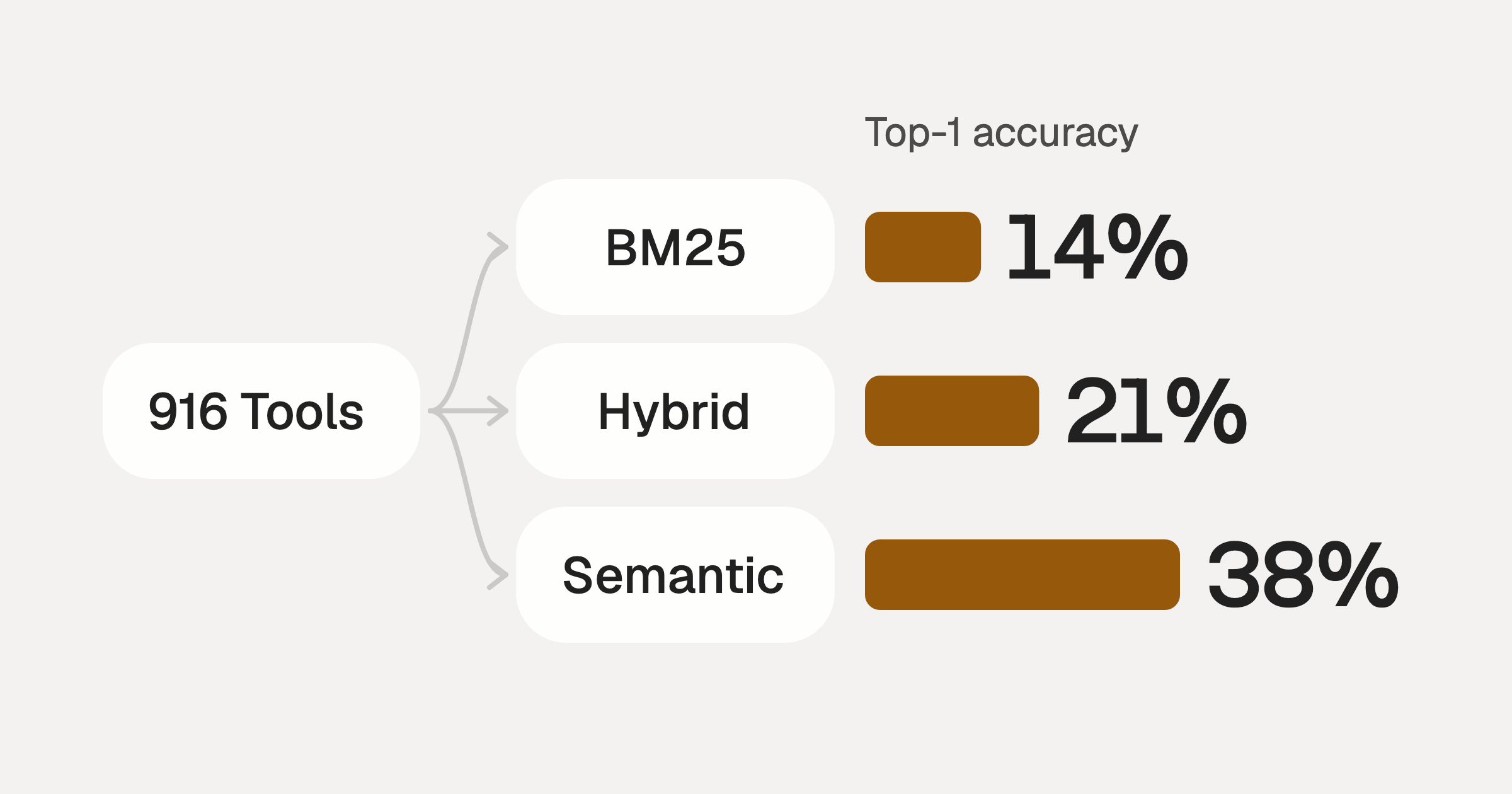
Comparing BM25, TF-IDF, and Hybrid Search for MCP Tool Discovery
Benchmarking BM25, TF-IDF, and hybrid search for MCP tool discovery across 916 tools. The 80/20 TF-IDF/BM25 hybrid hits 21% Top-1 accuracy in under 1ms.
10 min
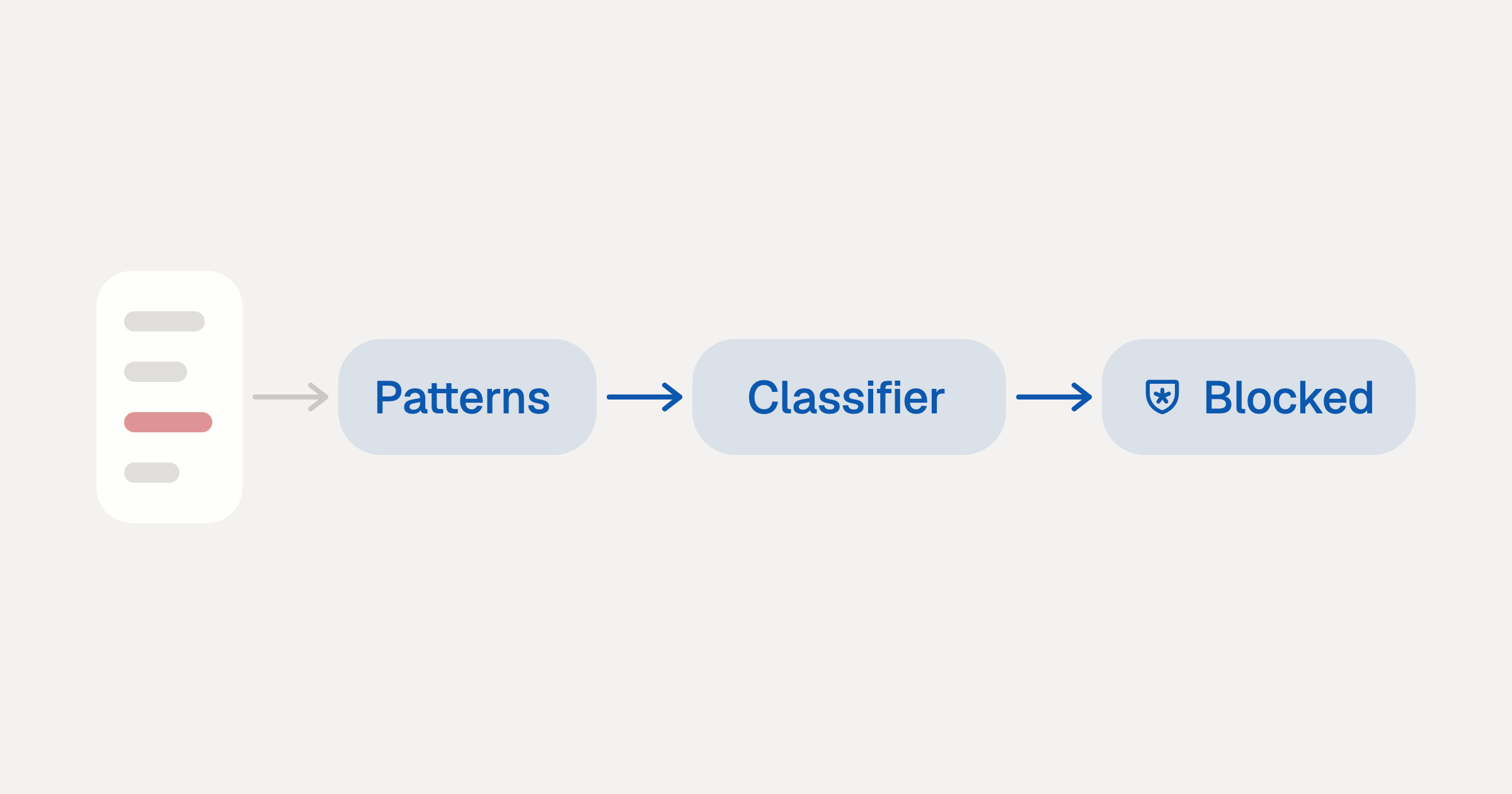
Indirect Prompt Injection Defense for MCP Tools: A Technical Guide
MCP tools that read emails, CRM records, and tickets are indirect prompt injection vectors. Here's how we built a two-tier defense that scans tool results in ~11ms.
12 min
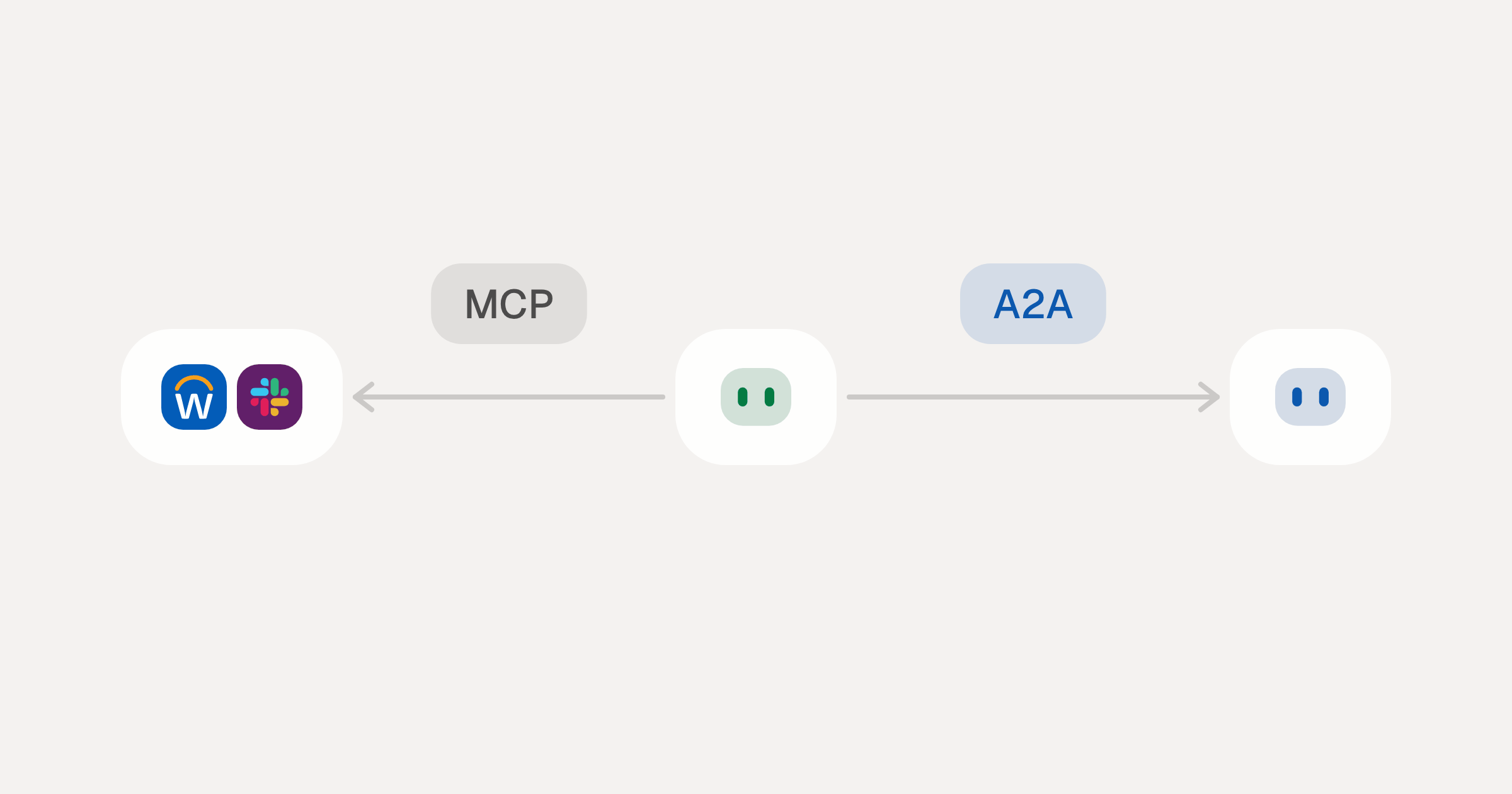
MCP vs A2A: Architecture, Security, and When to Use Each
MCP vs A2A: what each protocol standardizes, how they differ, the security risks they share, and when to use one, both or a hybrid.
12 min
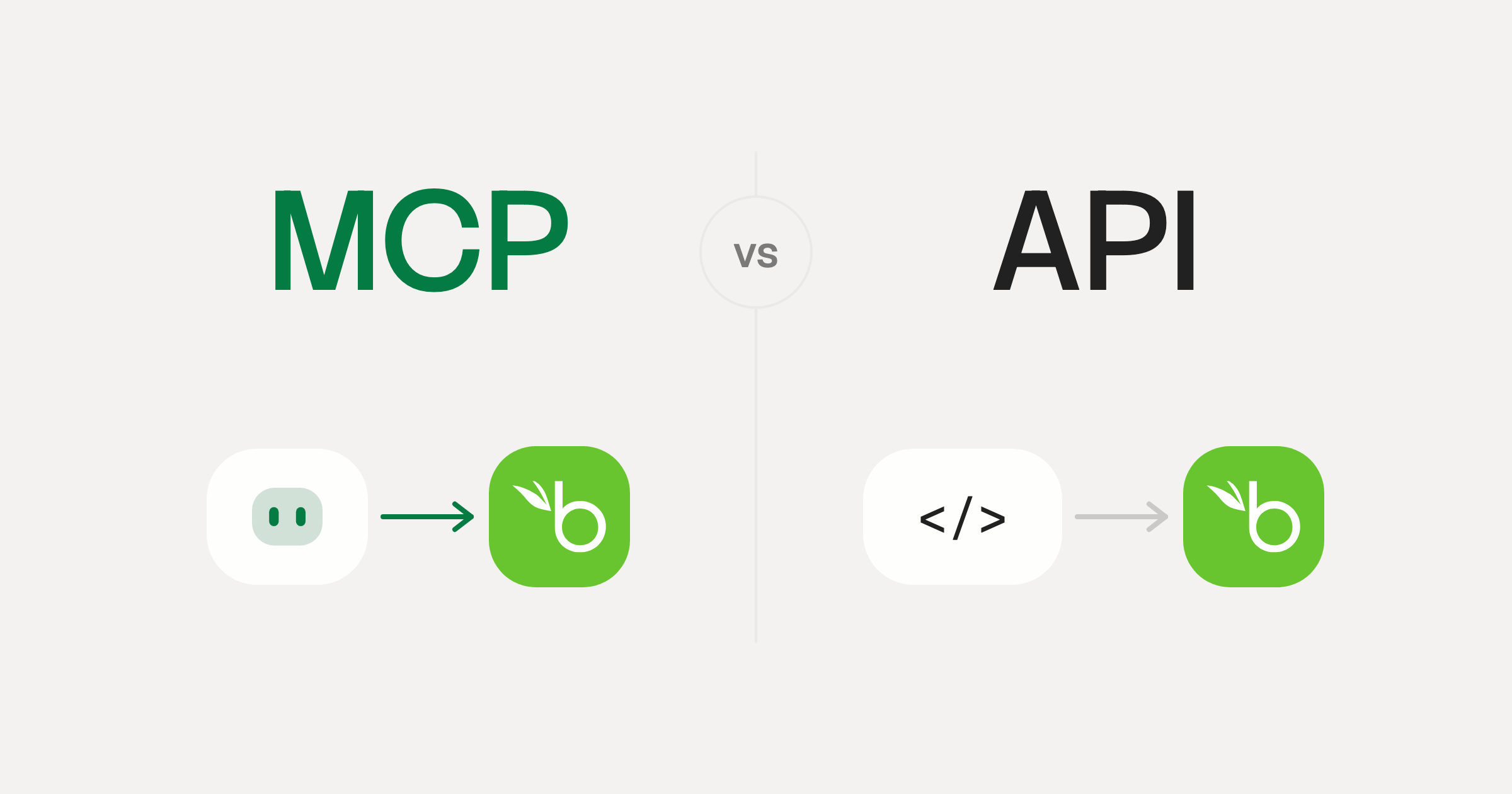
MCP vs API: What Hundreds of Connector Builds Taught Us
MCP wraps APIs, it doesn't replace them. After building hundreds of connectors that serve both, here's when each approach wins.
14 min read
Linear MCP Server FAQ
Does StackOne have a Linear MCP server?
Linear MCP server vs direct API integration: what's the difference?
How does Linear authentication work for AI agents?
origin_owner_id.Are Linear MCP tools vulnerable to prompt injection?
What is the context bloat of a Linear agent and how do I avoid it?
Can I limit which actions my Linear agent can access?
Can I create custom agent actions for my Linear MCP server?
When should I NOT use a Linear MCP server?
What AI frameworks and AI clients does the StackOne Linear MCP server support?
Put your AI agents to work
Connect AI to every company system and control what it can do in each one, down to the field.